Reflect
On invisible infrastructures, algorithmic logics, and normalized aesthetics.
On invisible infrastructures, algorithmic logics, and normalized aesthetics.
Simplistic solutions, technological determinism, and the illusion of neutrality.
Alternative poetics, practices, and futures for computation in art and design.
PCD2026 is conceived as a shared space for engaging with multiple ways of thinking and working through computation in art and design. The programme of invited keynotes and selected workshops emerges as a direct response to the 2026 theme, articulating moments of reflection, forms of resistance, and gestures of reform through situated computational practices.
The invited contributions create spaces to reflect on the conditions under which computational systems operate – making visible their infrastructures, assumptions, aesthetics, and embedded values. They also propose ways to resist the apparent inevitablity of technological acceleration, challenging instrumental thinking, algorithmic determinism, and claims of neutrality.
Keynotes offer conceptual frameworks and critical distance, opening room for collective reflection on the cultural, political, and ethical dimensions of computation. Workshops function as spaces of active resistance and reform, where participants engage hands-on with alternative methods, protocols, and imaginaries.
Together, these contributions form a plural and intentional landscape of computational practices, where reflection leads to resistance, and resistance becomes a ground for reform – affirming computation as a situated, consequential, and poetic practice.
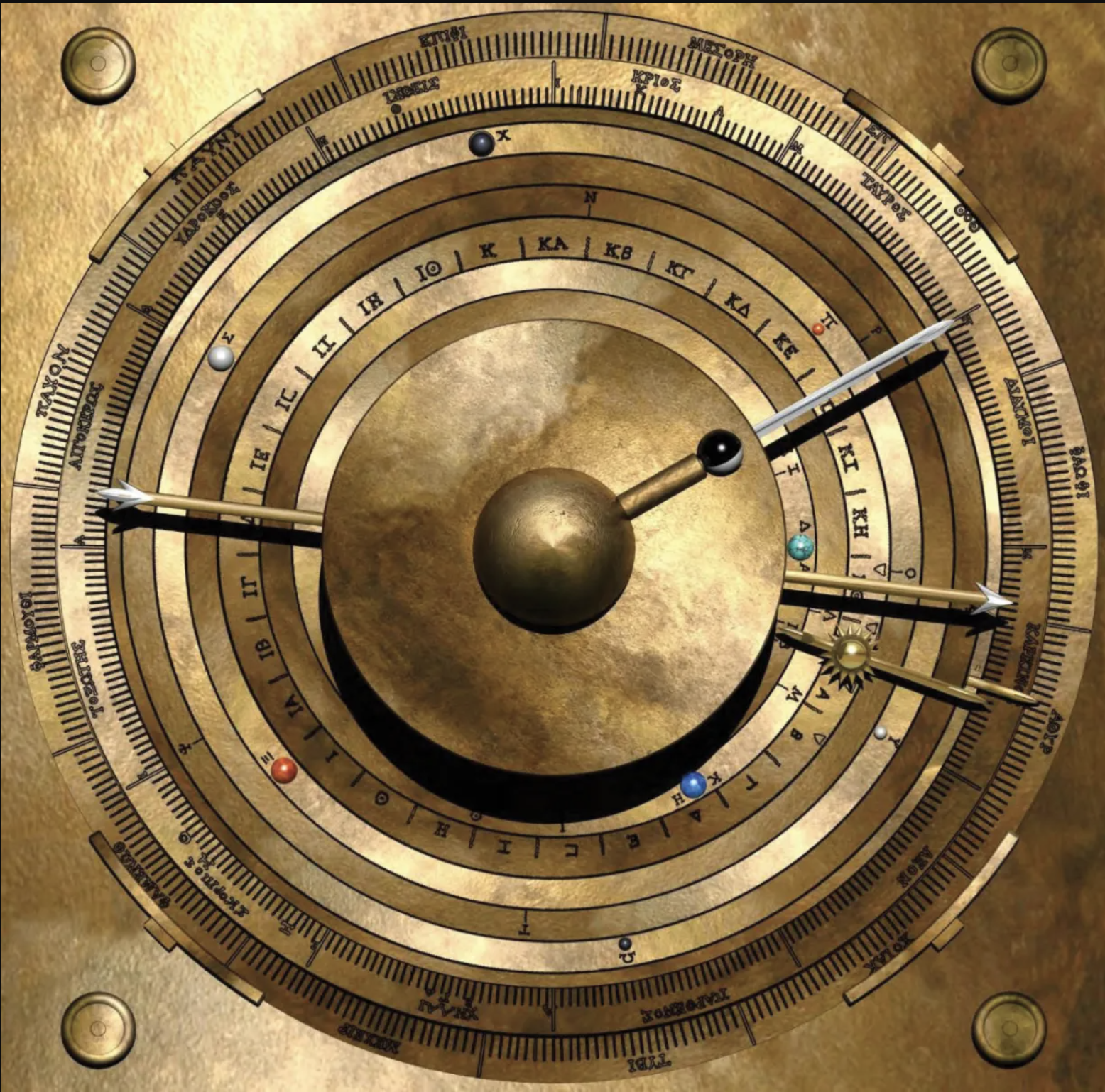
Workshops #1 and #2 will take place at the same time. Participants may attend one of the two sessions and must register in advance for their chosen workshop via the links below (coming soon).

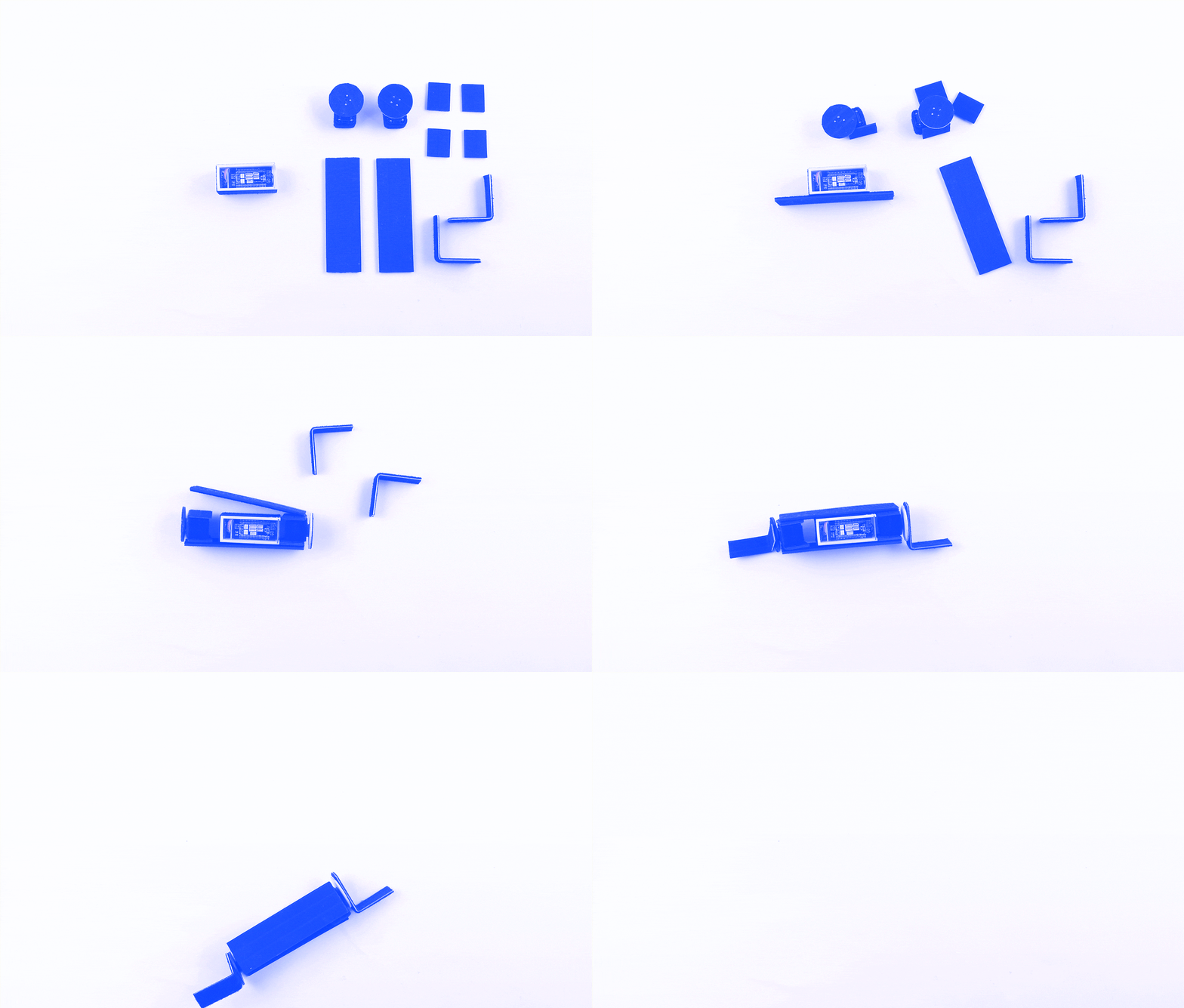
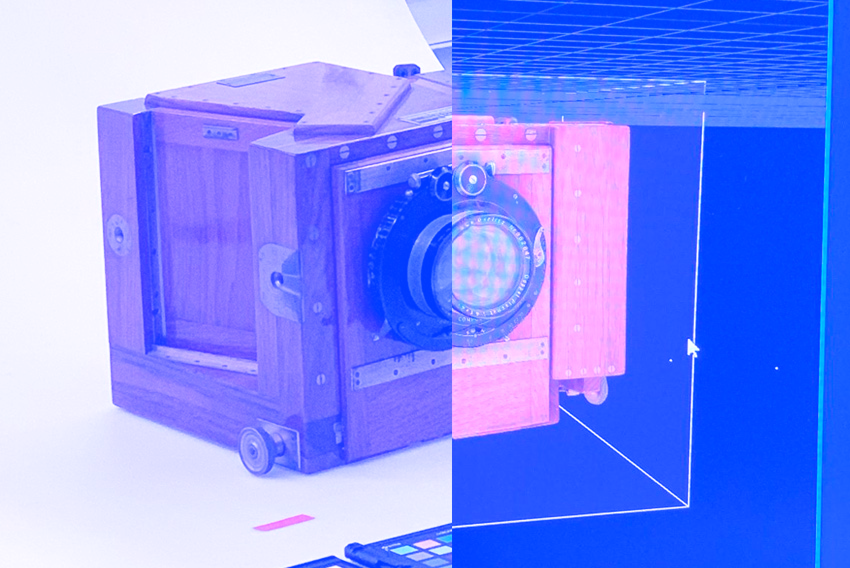


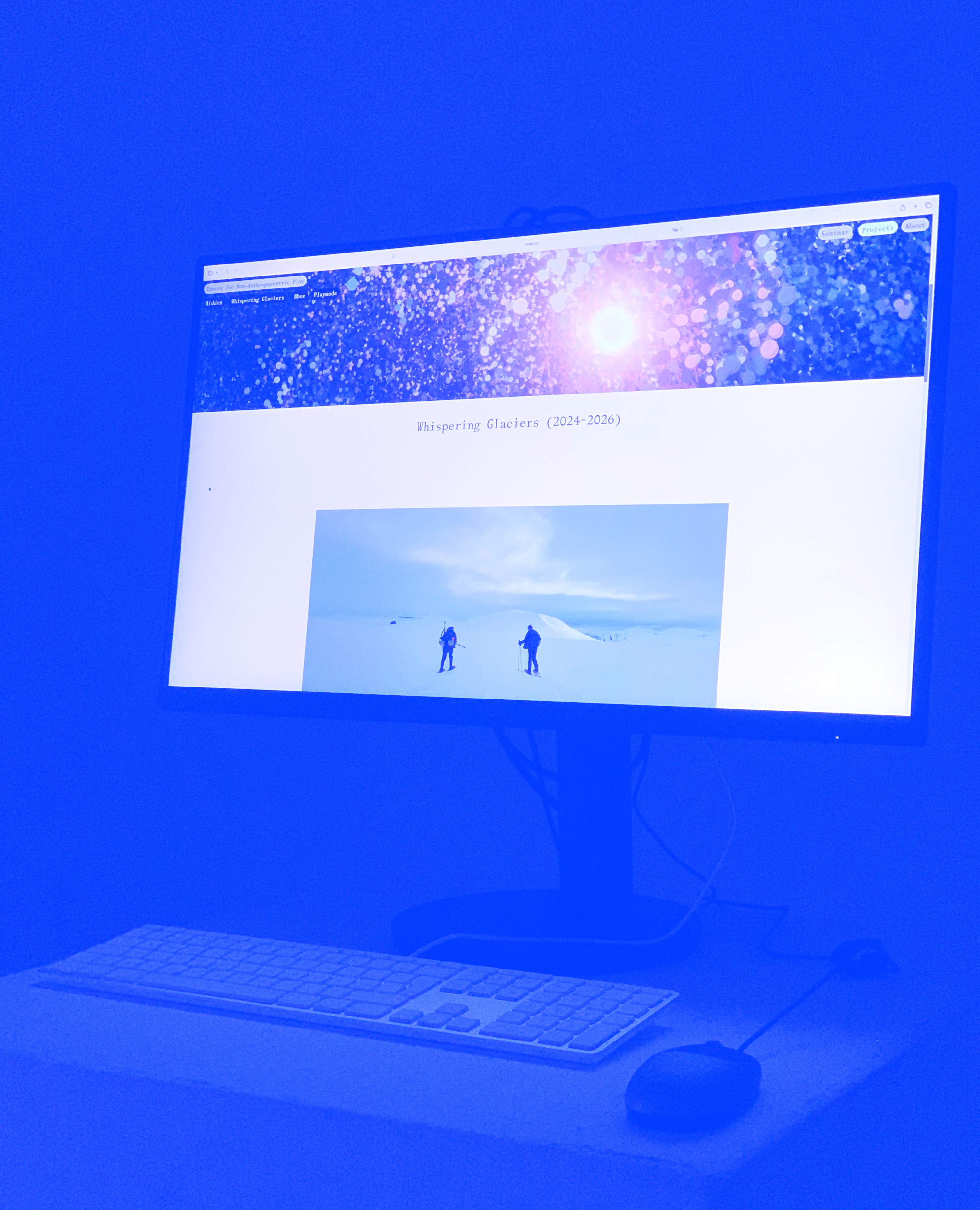
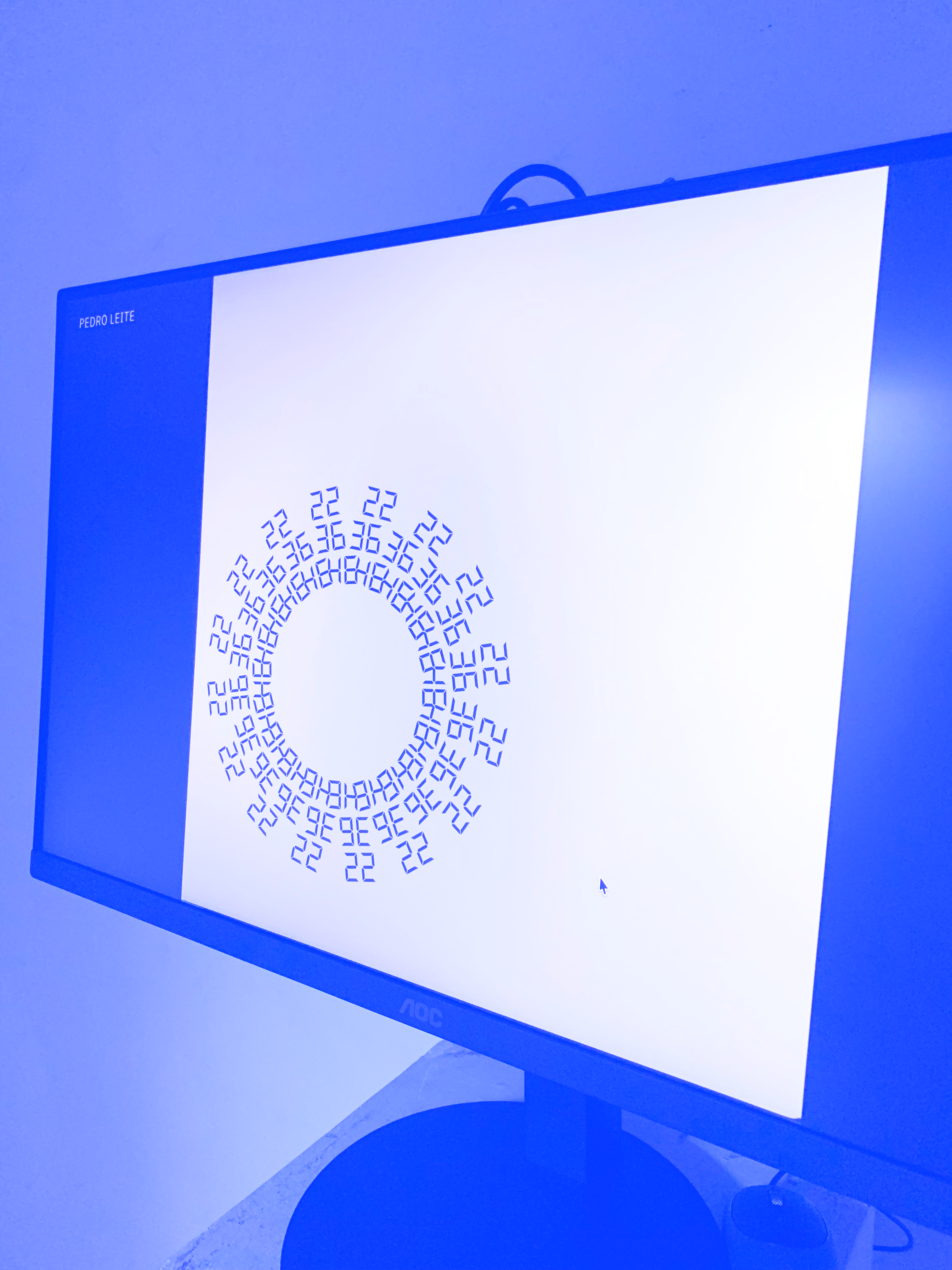
This exhibition brings together projects that engage computation as a poetics of emergence. Web-based performances, non-anthropocentric systems, pedagogical experiments, and workshop-based productions examine how repetition, interaction, and technical constraint generate difference, provoking agency across human, more-than-human, and infrastructural systems.
The works present reflection, resistance, and reform as modes of engagement with computational causality. They make computational conditions legible, interrogate claims of neutrality and determinism, and articulate how computation operates across artistic and design ecologies as well as research contexts.